Gentle Prompts, Stronger Days

We explore Designing Environmental Cues to Trigger Small Restorative Actions by turning everyday surroundings into quiet allies for well-being and focus. Expect practical examples, vivid stories, and research-backed guidance that transform spaces into supportive partners, encouraging breathing pauses, posture resets, water sips, mindful blinks, and brief stretches. Join the conversation, share your experiments, and help refine humane, dignified signals that invite recovery without pressure, guilt, or noise, creating rhythms that protect energy, attention, and compassion through small, repeatable behaviors woven naturally into daily life.

Why Tiny Restorations Matter

Small, frequent resets protect cognitive stamina more reliably than occasional marathons of recovery. By supporting brief moments of care throughout the day, we reduce decision fatigue, stabilize mood, and increase creative capacity. Environmental cues become anchors for these practices, pairing real-world triggers with micro-actions that require almost no willpower. This gentle choreography respects human limits, strengthens attention, and turns maintenance into something delightful, not dutiful. Share a moment that reliably revives you, and consider how a well-placed signal could invite that same feeling without alarms, nags, or extra screens competing for your already precious focus.

Crafting Cues that Whisper, Not Shout

The most effective signals are respectful companions, not attention bullies. They live where action happens, speak the language of the task, and vanish the instant they succeed. Subtle color changes, tactile anchors, or ambient shifts work better than intrusive pings. Calibrate strength to context, stacking cues with existing habits to minimize friction. Avoid moralizing; invite curiosity. Test multiple forms—visual, tactile, spatial—and measure perceived helpfulness, not compliance. Identify one location where a whisper could replace a shout today, and prototype an object, mark, or motion that invokes relief, not resistance, within the living rhythm of work.

Senses as Silent Architects

Light That Grants Permission
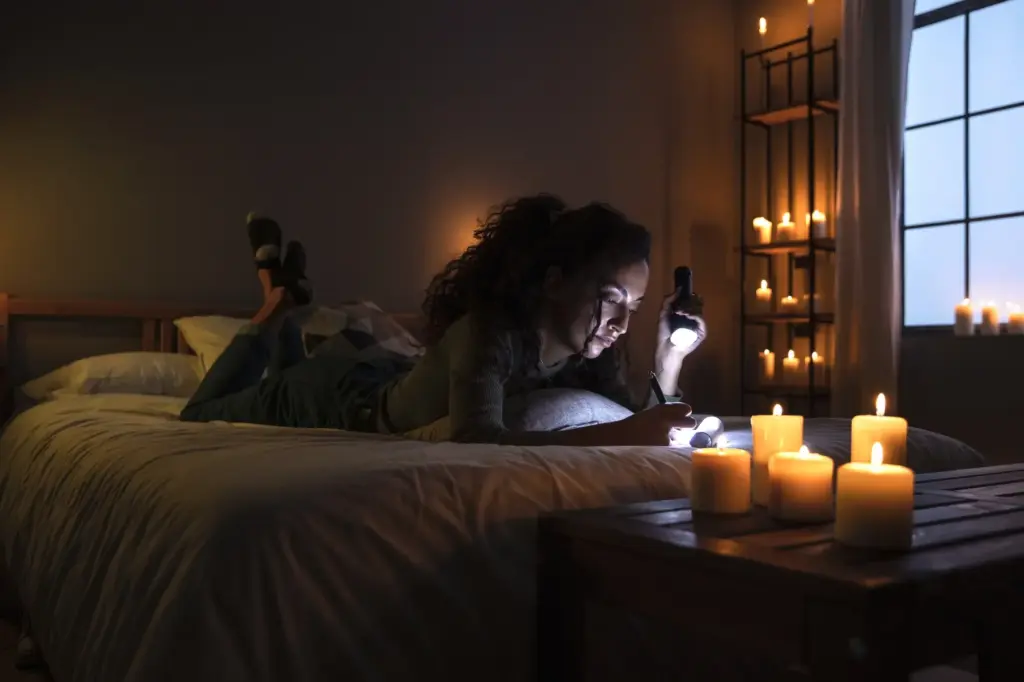
Light can nudge micro-recovery without demanding attention. A warm hue sweep at the hour can signal a posture check, while a subtle brightness crest after intense tasks invites a window gaze or blink refresh. Avoid sudden changes or harsh contrasts that jar concentration or exclude light-sensitive colleagues. Provide personal controls and low-key overrides. Place light cues in peripheral vision so they read as ambient guidance, not instructions. Seasonal adjustments and circadian awareness deepen trust, helping people feel their environment is a considerate host, quietly timing permission for presence, breath, and the brief acts that restore capacity.

Textures that Invite Micro-Motion

A slightly elastic desk edge encourages shoulder rolls; a knurled dial near your keyboard coaxes gentle finger mobility between keystrokes; a soft footrest promotes ankle flexions during calls. Tactile anchors can suggest movement more kindly than flashing alerts. Ensure materials are durable, easy to clean, and allergy-safe. Offer multiple textures so preferences find a home. Observe whether fidgeting becomes calmer rather than agitating. When touch hints at care without spectacle, the body responds with quick relief, and the mind thanks you with steadier attention, measurable comfort, and that quiet satisfaction of noticing kindness woven into furniture.

Soundscapes that Suggest Breathing

Sound can soothe or overwhelm, so use it sparingly. A soft wind chime at calendar transitions, a near-silent ocean swell after deep-focus sprints, or a faint bell tied to water-filling moments can cue micro-restorations. Always prioritize opt-in controls, volume limits, and headphones-safe variants. Cultural associations vary, so co-design palettes with your community. Test in busy and quiet zones to prevent masking important signals. The goal is not to command, but to remind, gently aligning breath and posture with the rhythm of work, allowing people to feel supported rather than managed by the atmosphere around them daily.

From Workspace to Walkway: Context Mapping

Map the day’s landscapes and place cues where needs surface naturally: desks, hallways, elevators, kitchens, outdoor steps, transit stops. Identify fatigue markers and pair them with short, evidence-based resets. Track traffic flow, chore sequences, and social rituals, then plant dignified anchors that help people pause briefly without derailing momentum. Make removal and adjustment simple. Include signage that teaches once, then recedes. Invite colleagues to mark hotspots on a shared map, revealing opportunities you missed. With compassionate cartography, everyday routes become routes to recovery, steadily turning movement through space into reliable invitations toward strength, hydration, breath, and presence.

Desks that Encourage Posture Kindness

Set a wobble-friendly wrist rest to cue micro-adjustments. Align monitor height with a thin, colored strip that becomes perfectly level only when you sit comfortably. Place an adjustable footrest where it meets natural reach. Introduce a gentle desk-edge texture that invites shoulder rolls during loading screens. Offer quick-reference cards with one stretch per common ache. The desk becomes a teacher that whispers alignment, not a disciplinarian. Over time, micro-corrections compound into fewer headaches, steadier focus, and the welcome feeling that your workspace knows how to care for you without ever nagging or adding cognitive burden.

Kitchens that Nudge Hydration

Hydration thrives on visibility and ease. Use transparent carafes near the sink, chill water subtly to increase appeal, and place cups at eye level by the faucet handle. Add a small citrus scent waft near midday to invite a refill. Install a soft, color-shifting light under the shelf that warms slightly during high-caffeine hours. Keep pathways unobstructed, and label bottles discreetly for ownership without shame. Encourage a shared ritual, like a minute of shoulder mobility while the kettle hums. The kitchen becomes a micro-oasis, gently guiding sips that stabilize mood, cognition, and patient kindness toward ongoing work.

Stairs that Offer Playful Wins

Stairs can host playful prompts that respect pace and privacy. A gradient of encouraging floor decals near the first steps hints at a brisk, thirty-second pulse raise. Rails with pleasant tactile grips invite brief calf stretches at landings. Subtle uplighting rewards ascent without spectacle. Place water access nearby to pair exertion with replenishment. Offer alternatives for mobility needs and ensure elevators provide equivalent restorative cues, like breath prompts at door close. By treating movement as celebratory and optional, the environment suggests vitality without moral pressure, making tiny cardiovascular boosts feel like charming, repeatable victories during everyday transitions.

Measuring the Nudge

Define What Good Looks Like

Before testing, articulate success metrics people can believe in: fewer afternoon headaches, steadier post-meeting focus, higher hydration comfort, or faster emotional reset after setbacks. Translate them into lightweight indicators without surveillance creep. Establish minimum viable restoration—tiny wins that are realistic and meaningful. Align with organizational rhythms and personal autonomy. Encourage participants to co-author the criteria so they recognize their needs reflected in the goals. When expectations are shared and humane, measurement serves as a mirror, not a magnifying glass, guiding respectful iteration instead of enforcing brittle targets that forget the living humans behind dashboards.

Run Quiet Experiments

Pilot with small groups and time-bound trials. Rotate cue types, placements, and intensities while holding context constant. Pair quantitative signals with quick narrative check-ins to avoid misreading success. Document friction points, misfires, and delightful surprises. Pause anything that feels pushy. Build shareable playbooks others can adapt easily. Keep procurement and maintenance simple to avoid prototype rot. Treat experiments as learning relationships with spaces, not final judgments. When trials feel safe, participants contribute bolder ideas, and the environment gradually discovers which whisper works best, creating an evolving library of cues that honor different bodies, roles, and days.

Listen Beyond the Numbers

Data rarely captures the emotional texture of a good nudge. Invite voice notes, sketches, and quick debrief circles where people share how a cue changed their afternoon or calmed a tense moment. Gather sensory preferences and accessibility needs. Celebrate when someone turns off a cue they no longer need—that is success, too. Synthesize anecdotes with trends, then refine or remove respectfully. Return findings to the community and ask for corrections. When people feel heard, they volunteer deeper truths, and cues evolve from clever objects into shared agreements about care, ease, dignity, and the relief of being gently supported.

Ethics, Inclusivity, and Long-Term Care

Compassion is the boundary for every decision. Cues must be opt-in, adjustable, and easy to silence. Avoid shame, coercion, and one-size-fits-all assumptions. Consider sensory sensitivities, mobility differences, cultural meanings, and neurodiversity. Budget for maintenance and graceful aging of materials so the environment remains kind over time. Publish clear intent, feedback channels, and data policies. Design for continuity during staff changes and layout shifts. Invite critiques from those least served today. When dignity anchors choices, small restorative actions stop being side projects and become trusted, enduring companions to work, learning, and the many forms of human effort.